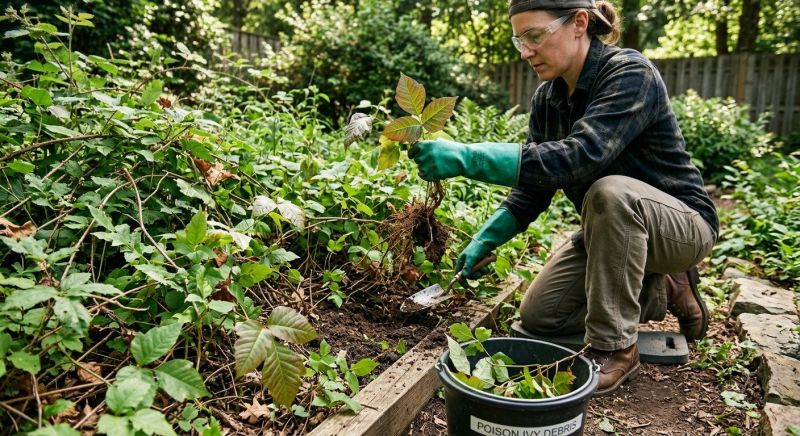
Poison Oak Removal in Burlington County, NJ
Poison oak removal services focus on safely eliminating this invasive and potentially harmful plant from residential properties. These services typically cover projects such as clearing overgrown areas, trimming shrubbery, and removing dense patches of poison oak that may pose a risk to residents and visitors. Property owners often seek this service to prevent skin irritation, protect children and pets, and maintain a safe outdoor environment. Understanding the extent of the growth, accessibility of the affected areas, and any specific concerns about the plant’s location are common considerations before requesting removal.
Homeowners should evaluate the size of the poison oak growth and the areas it impacts, such as lawns, gardens, or natural buffer zones. It’s important to know if the plant is growing near structures, pathways, or recreational spaces, as this can influence the scope of work needed. Additionally, property owners may want to inquire about the methods used for removal, whether the plants will be fully eradicated, and if follow-up treatments are recommended to prevent regrowth. Clear communication about these points helps ensure the removal process aligns with safety and property maintenance goals.
Many property owners in Burlington County, NJ look into Poison Oak Removal for repairs, replacements, upgrades, and appearance-related improvements.
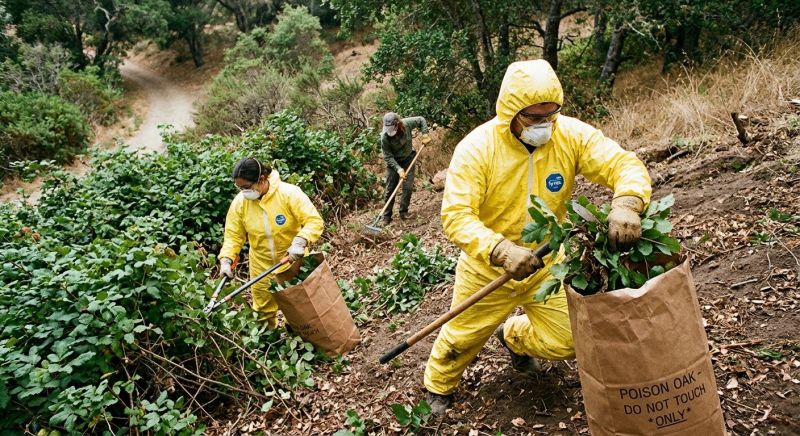
Poison Oak Risk Reduction
Removing poison oak helps prevent skin irritation and allergic reactions on residential and commercial properties.
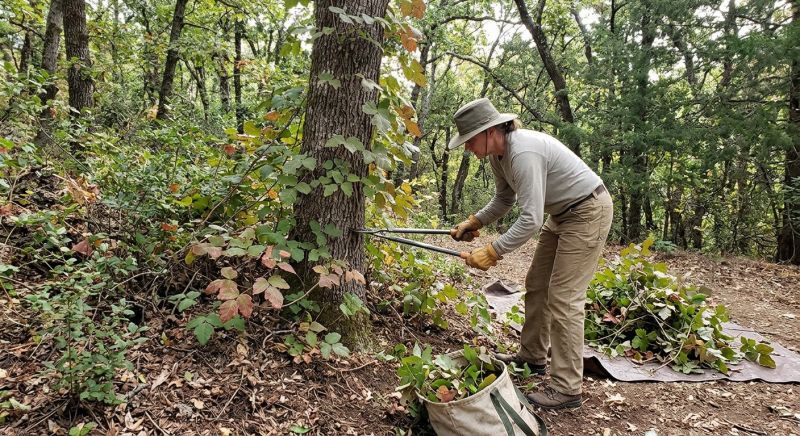
Safe Property Clearance
Proper removal ensures outdoor spaces are safe for children, pets, and visitors in burlington county and nearby areas.
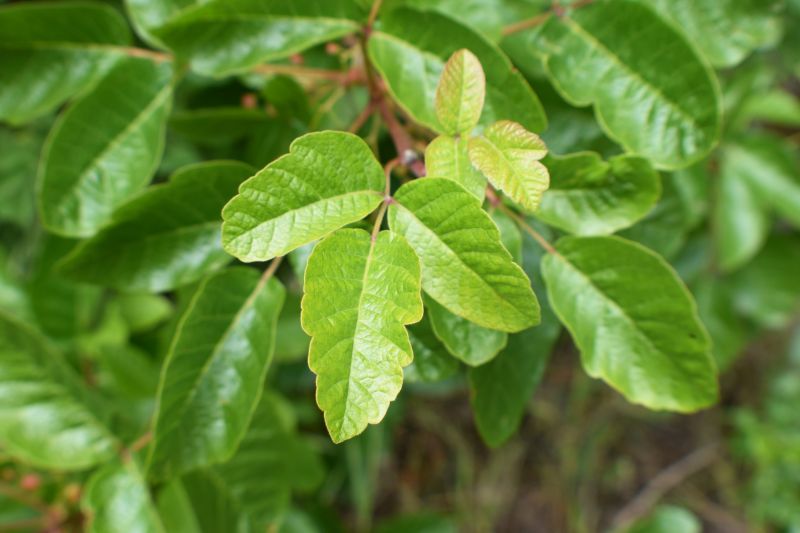
Preventative Maintenance
Regular poison oak removal can protect landscapes and maintain the appearance of outdoor areas over time.
Poison Oak Removal in Burlington County, NJ
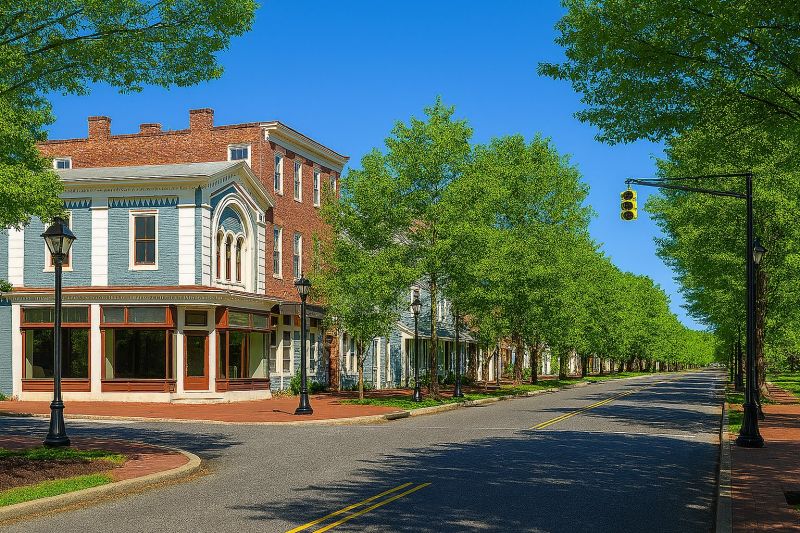
Poison oak removal services focus on safely eliminating this invasive and potentially harmful plant from residential properties. These services typically cover projects such as clearing overgrown areas, trimming shrubbery, and removing dense patches of poison oak that may pose a risk to residents and visitors. Property owners often seek this service to prevent skin irritation, protect children and pets, and maintain a safe outdoor environment. Understanding the extent of the growth, accessibility of the affected areas, and any specific concerns about the plant’s location are common considerations before requesting removal.
Homeowners should evaluate the size of the poison oak growth and the areas it impacts, such as lawns, gardens, or natural buffer zones. It’s important to know if the plant is growing near structures, pathways, or recreational spaces, as this can influence the scope of work needed. Additionally, property owners may want to inquire about the methods used for removal, whether the plants will be fully eradicated, and if follow-up treatments are recommended to prevent regrowth. Clear communication about these points helps ensure the removal process aligns with safety and property maintenance goals.
Many property owners in Burlington County, NJ look into Poison Oak Removal for repairs, replacements, upgrades, and appearance-related improvements.
Common Poison Oak Removal Jobs
Poison Oak Removal - professional removal services help eliminate poison oak from yards and landscapes.
Yard Clearing - clearing overgrown areas to prevent poison oak from spreading.
Bush and Shrub Removal - removing infested bushes and shrubs safely and effectively.
Landscaping Cleanup - restoring property appearance after poison oak removal.
Property Maintenance - ongoing management to prevent future poison oak growth.
Hazard Prevention - reducing health risks associated with poison oak exposure.
Poison Oak Removal Questions
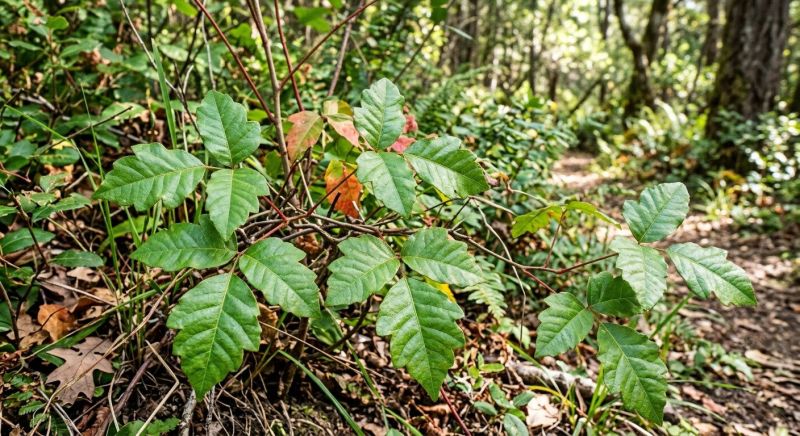
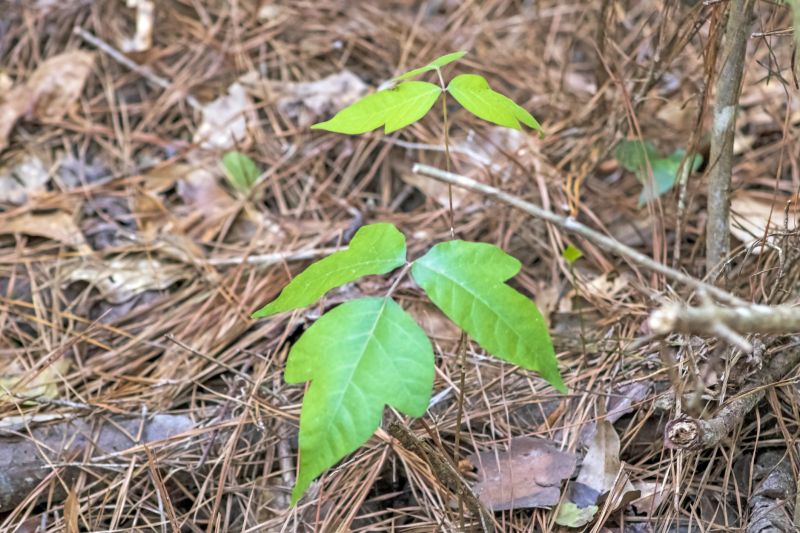
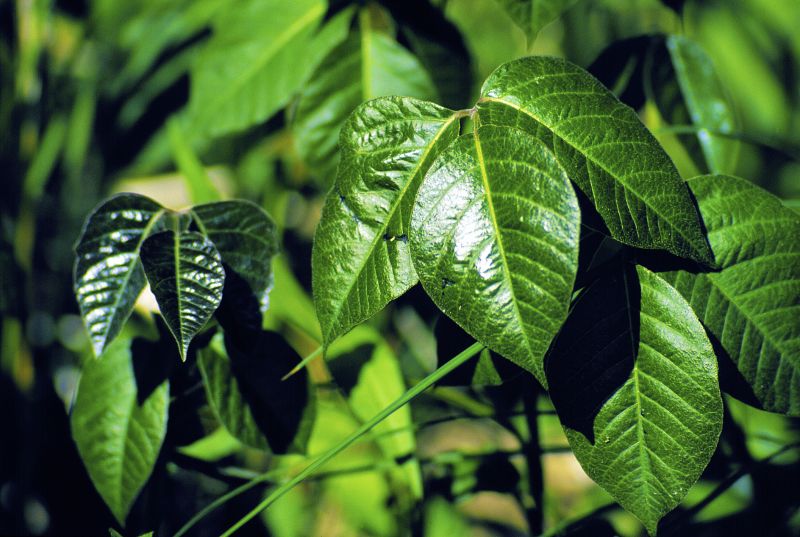
What is poison oak removal? Poison oak removal involves safely eliminating the plant to prevent skin irritation and property damage.
When should poison oak be removed? Removal is recommended when poison oak is growing in areas frequented by people or pets, or when it begins to spread.
How is poison oak removed? The process typically includes manual removal of the plants and treatment of remaining roots to prevent regrowth.
Is poison oak removal safe for properties? Yes, proper removal methods ensure the plant is safely eliminated without harming surrounding landscaping.
Request Poison Oak Removal in Burlington County, NJ
Use the quote form on this page to share the basics of your project and request more information for the type of work you need.