Tree Debris Removal in Honolulu, HI
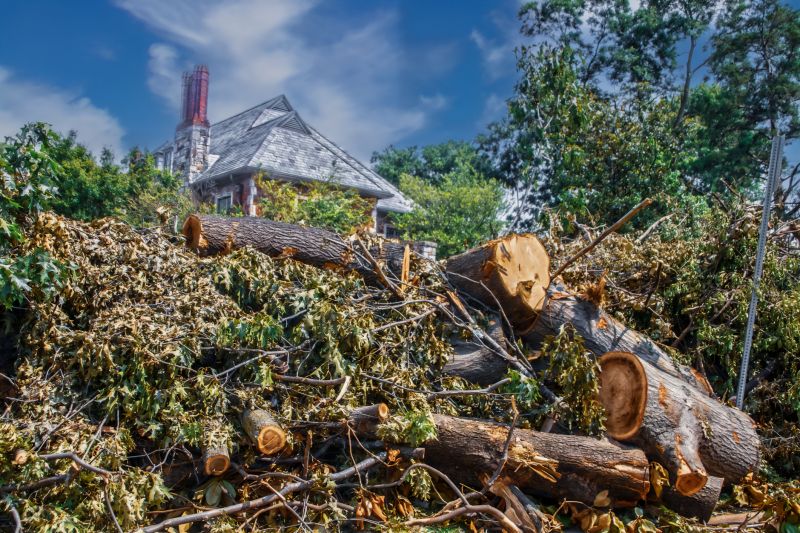
Tree debris removal services involve the clearing and disposal of fallen branches, leaves, and other organic materials resulting from storms, pruning, or general yard maintenance. This service covers a variety of projects, including cleanup after storms or high winds, seasonal leaf and branch removal, and clearing debris around trees to promote healthier growth. Property owners typically seek this service to maintain a tidy yard, prevent potential hazards from fallen limbs, and prepare outdoor spaces for upcoming seasons or landscaping projects.
Before requesting tree debris removal, property owners should consider the extent of the debris, the accessibility of the affected areas, and any specific disposal requirements. Understanding the volume and type of debris helps determine the scope of work needed, while knowing about local disposal regulations ensures proper handling. Clarifying these details in advance can facilitate a smooth cleanup process and ensure the property remains safe and well-maintained.
Many property owners in Honolulu, HI look into Tree Debris Removal for repairs, replacements, upgrades, and appearance-related improvements.
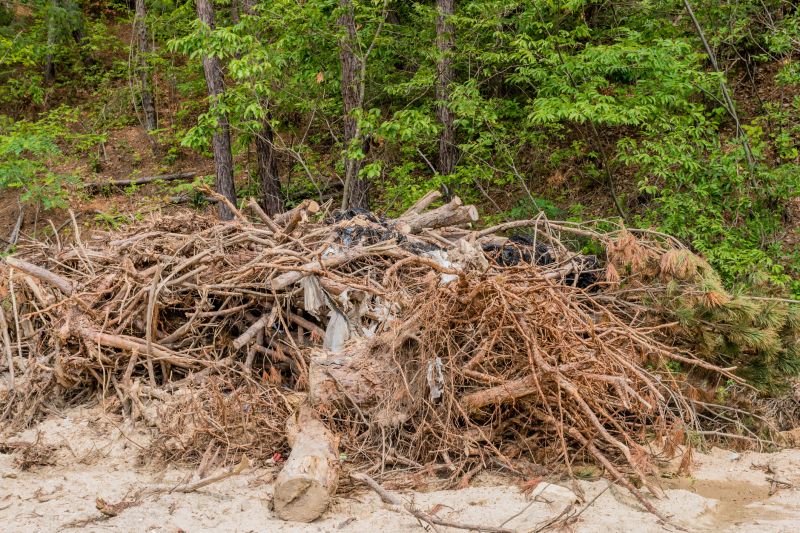
Yard Cleanup And Debris Removal
Removing fallen branches and leaves keeps outdoor spaces tidy and safe.
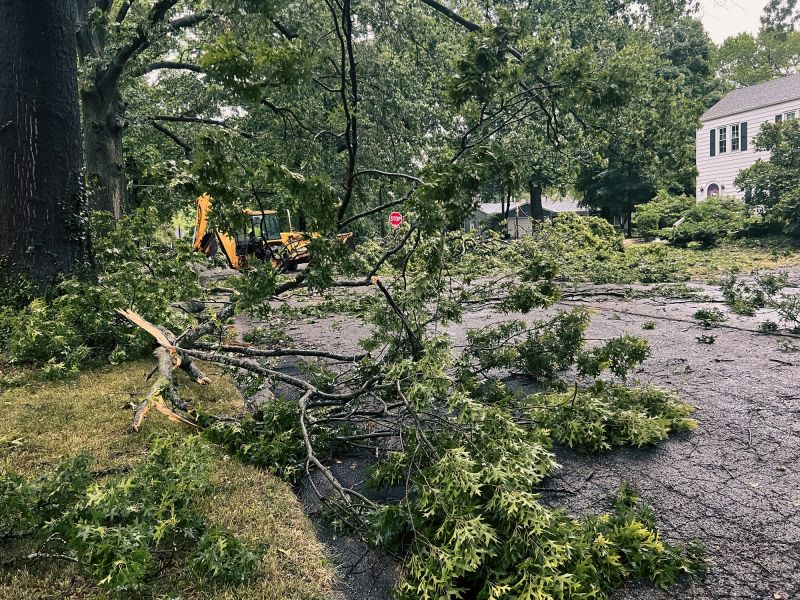
Storm Damage Debris Clearing
Efficient removal of storm-related tree debris restores access and prevents hazards.
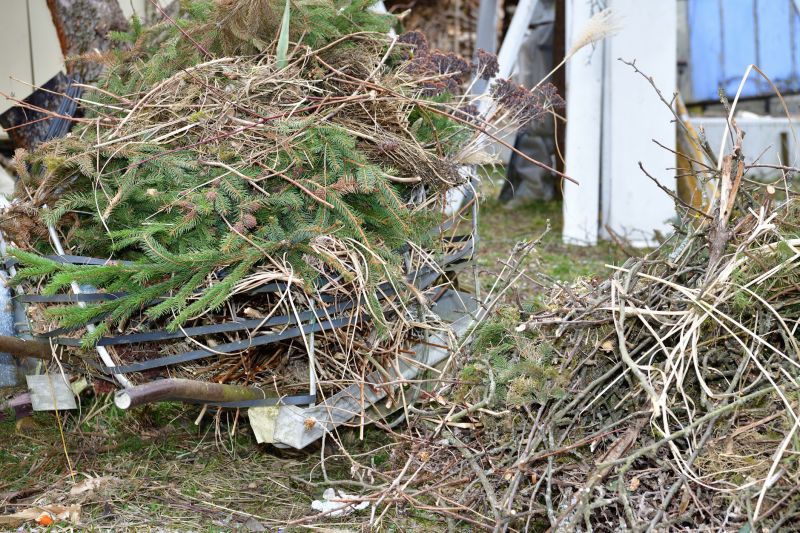
Emergency Tree Debris Services
Quick response to tree debris after severe weather helps maintain property safety in honolulu, hi.
Tree Debris Removal in Honolulu, HI

Tree debris removal services involve the clearing and disposal of fallen branches, leaves, and other organic materials resulting from storms, pruning, or general yard maintenance. This service covers a variety of projects, including cleanup after storms or high winds, seasonal leaf and branch removal, and clearing debris around trees to promote healthier growth. Property owners typically seek this service to maintain a tidy yard, prevent potential hazards from fallen limbs, and prepare outdoor spaces for upcoming seasons or landscaping projects.
Before requesting tree debris removal, property owners should consider the extent of the debris, the accessibility of the affected areas, and any specific disposal requirements. Understanding the volume and type of debris helps determine the scope of work needed, while knowing about local disposal regulations ensures proper handling. Clarifying these details in advance can facilitate a smooth cleanup process and ensure the property remains safe and well-maintained.
Many property owners in Honolulu, HI look into Tree Debris Removal for repairs, replacements, upgrades, and appearance-related improvements.
Common Tree Debris Removal Jobs
Tree debris removal services clear fallen branches, leaves, and other yard waste from your property.
They help prevent damage to lawns, gardens, and landscaping caused by accumulated debris.
Services include the safe removal and disposal of large tree limbs and storm debris.
Regular debris removal maintains a tidy appearance and reduces pest habitats.
Storm cleanup services quickly address damage caused by high winds or heavy rain.
Professional removal ensures safety and proper disposal of hazardous or heavy debris.
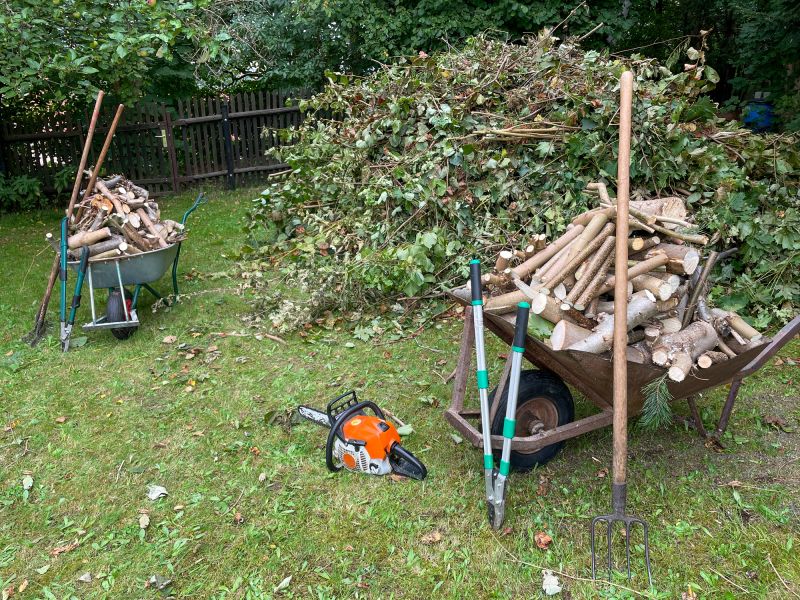
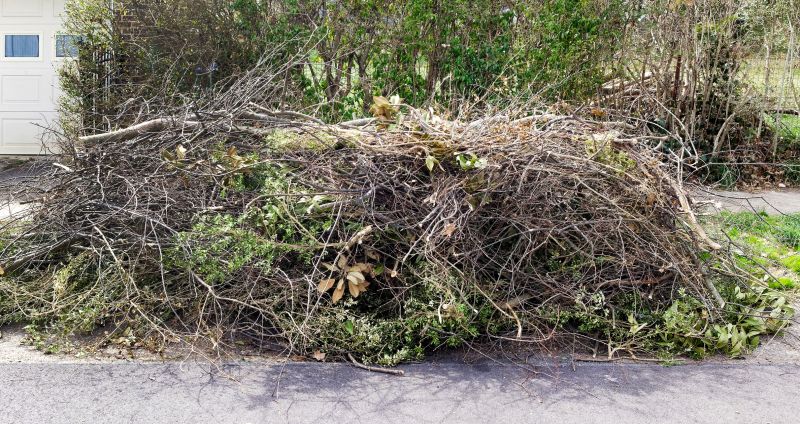
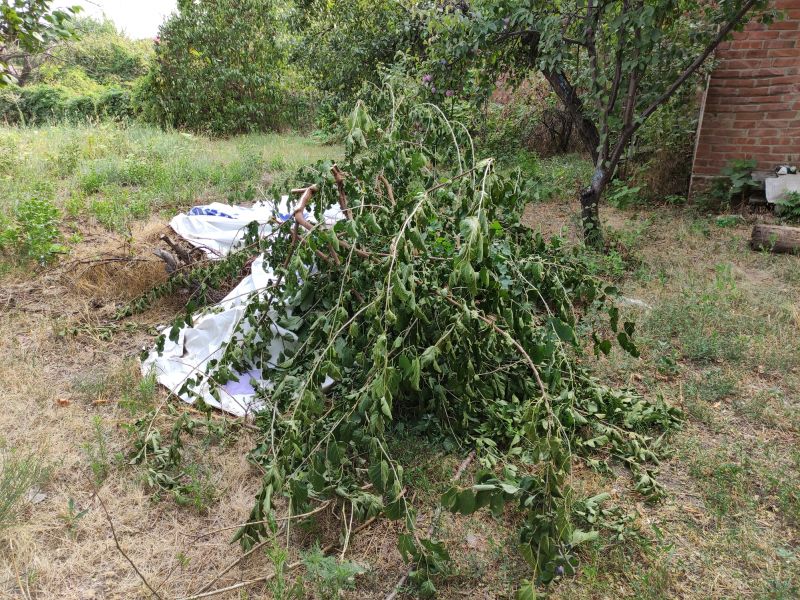
Tree Debris Removal Questions
What types of tree debris removal services are available? Services include removal of fallen branches, storm debris, and pruning waste to keep properties tidy and safe.
When should tree debris be cleared from a property? Debris should be cleared after storms, heavy winds, or during regular maintenance to prevent hazards and maintain appearance.
Is tree debris removal suitable for large or hazardous branches? Yes, specialized equipment and techniques are used to safely remove large or difficult-to-reach branches.
What should property owners consider before requesting debris removal? Consider the amount and type of debris, access to the site, and any nearby structures or utilities.
Request Tree Debris Removal in Honolulu, HI
Use the quote form on this page to share the basics of your project and request more information for the type of work you need.